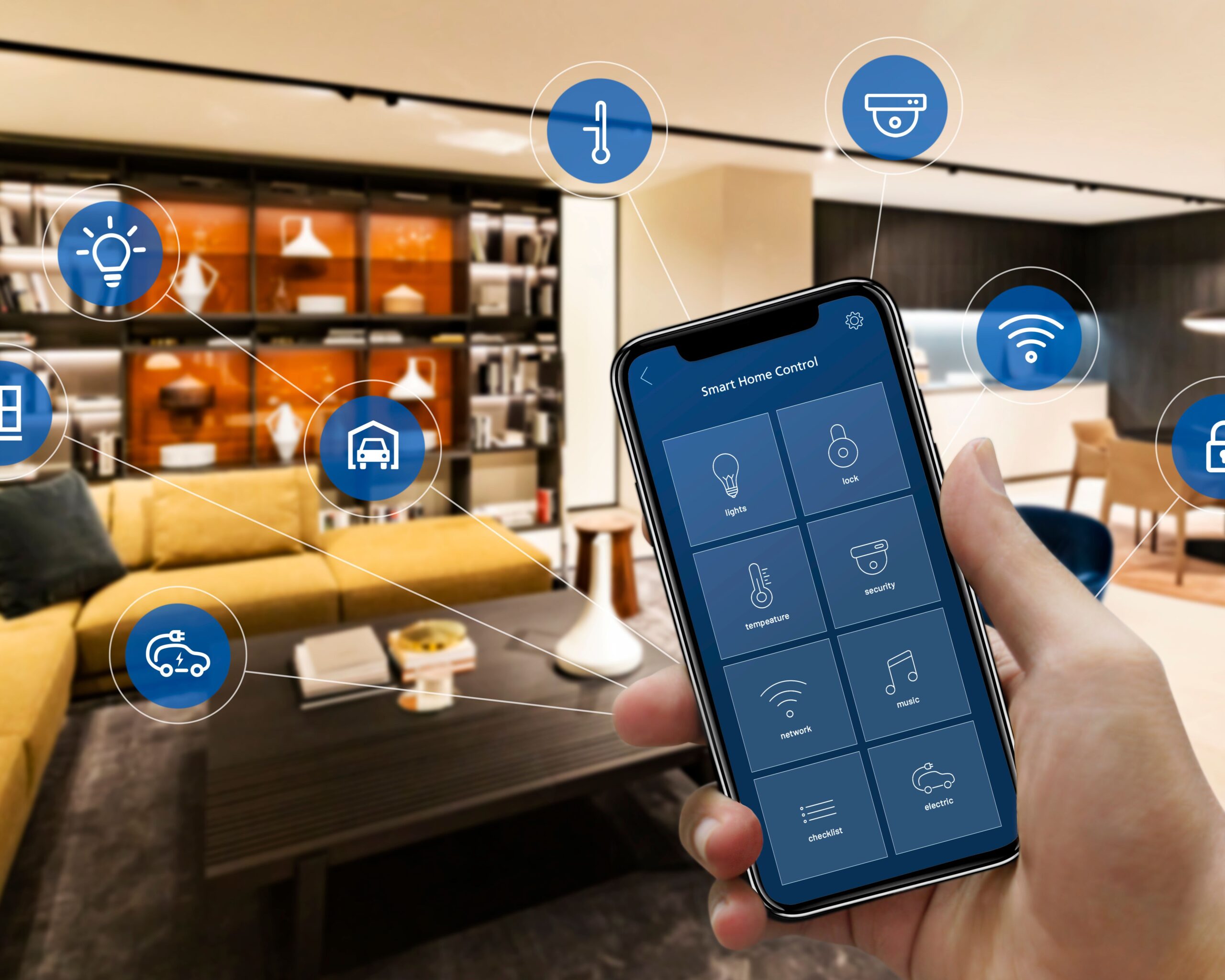
Though the idea of a “smart home” might have at one time seemed like something from a science fiction film, it is now a more and more prevalent concept. A smart house is one that has connected systems and devices that can be managed online, frequently using a mobile application or voice assistant. Everything from heating and lighting systems to security cams and entertainment systems may be included in these gadgets. This piece will discuss the value of designing a smarter home and the various ways that doing so can enhance your quality of life.
Increased Convenience and Comfort
Your life can be made more convenient and comfortable thanks to a smart house, which is one of its main advantages. For instance, a smart thermostat enables you to manage your home’s climate from a smartphone or tablet. So that your home is the ideal temperature when you enter through the door, you can raise the thermostat or air con before you get there. Similar to this, smart lighting allows you to program your lights to switch on and off at specific times or even change their color to establish a particular mood.
Increased Efficiency in Electricity
Traditional houses may not always be as energy-efficient as smart homes. To avoid wasting energy while you’re not home, a smart thermostat, for instance, can learn your routines and change the temperature appropriately. Similar to this, you can program smart lighting to automatically turn off when you exit a room to save energy.
Higher Protection
A smart house can potentially be more safe than a conventional one, which is another important advantage. Using your smartphone or computer and a smart burglar alarm, you can keep an eye on your house regardless of where you are in the world. You can electronically lock and unlock doors to just let people in or keep them out, and you can also receive alerts regarding any suspicious behavior.
It can be difficult to implement numerous protocol support in a smart home. Even though there may be substantial advantages to combining different methods into one system, there are a number of challenges that must be surmounted before this can happen. In this piece, we’ll look at some of the most typical obstacles to implementing multiple protocol compatibility and discuss solutions.
Integration of Numerous Protocols is Complicated
The difficulty of integrating multiple protocols into a single system is the first obstacle to multiple protocol compatibility implementation. Bringing together the different norms, standards, and protocols that each protocol has can be challenging. Compatibility problems could come from this, which could lead to broken or malfunctioning devices.
Issues With Compatibility Among Various Protocols
The compatibility problems that can occur between various networks present another difficulty. Even if two methods are conceptually equivalent, there might still be problems if they are used together. Devices may then malfunction or cease to communicate with one another as a consequence.
Implementation Costs and Technological Skill Requirements
The expense and level of technical knowledge needed to implement multiple protocol compatibility present another difficulty. It can be costly to purchase the hardware and software needed to support multiple protocols, and it can be challenging to locate qualified experts who can correctly implement them.
Maintaining and Adding Support for New Systems
Finally, keeping up with new tools as they develop can be difficult. New protocols and standards are constantly being introduced as a result of the rapid evolution of smart house technology. It can be challenging to keep up with these changes, and updating current tools to do so can be expensive. cost reduction
Although creating a smart home may require an early investment, doing so will ultimately result in cost savings. You can lower your power costs by increasing energy efficiency. A clever security system may also be able to reduce the cost of your homeowner’s insurance.
Future-Proofing
Lastly, creating a home automation can help you prepare your house for the future. You’ll be capable of updating your smart home appliances as technology develops in order to follow the most recent trends. As a result, your house will always be modern and you’ll always be able to utilize the newest amenities and innovations.
Finally, creating a smarter house is becoming more and more crucial in the modern world. You can increase your comfort and convenience, increase energy efficiency, increase security, save money, and future-proof your house by making an investment in smart home technology. It’s important to think about the advantages of a smart home whether you’re constructing a new house or remodeling an old one.